Health
Why sitting all day is dangerous and how to easily fix your posture
Sitting disease is real, and it's quietly damaging your metabolism and core strength. Discover the hidden dangers of a sedentary lifestyle and learn the simple 3-step posture checklist and 60-second desk stretches you can implement today to reverse the damage and reduce back pain.
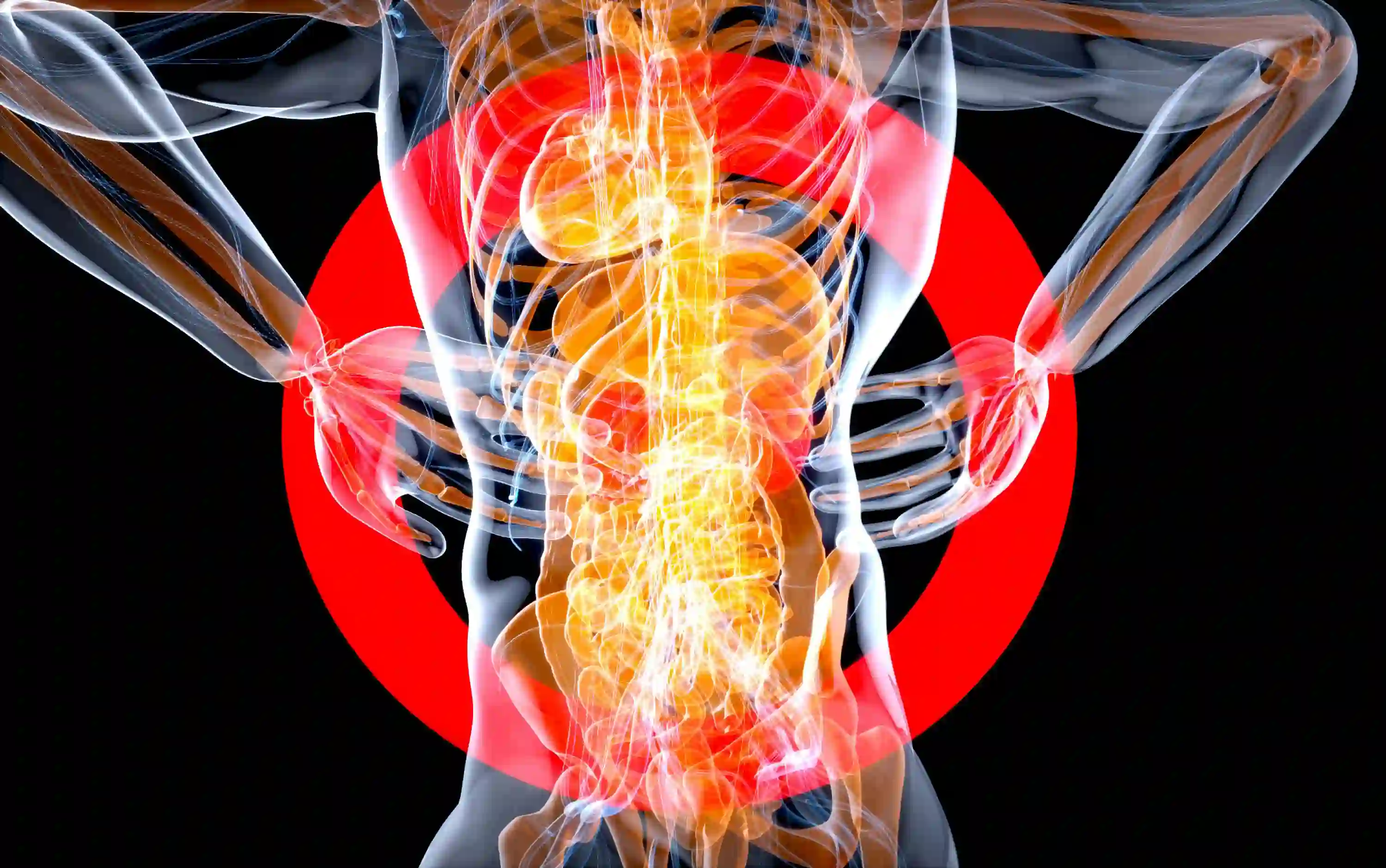
In the modern world, sitting has become the default position for work, travel, and leisure. If you spend eight hours in an office chair, two hours commuting, and another three hours relaxing on the sofa, you are spending over half your day completely still.
Health experts now refer to prolonged inactivity as "Sitting Disease." This isn't just about a stiff neck at the end of the day; chronic sitting can trigger serious health issues that often remain hidden until it's too late.
The good news? You do not need to quit your job or buy an expensive standing desk to reverse the damage. By understanding why sitting is dangerous and implementing a few easy posture correction tricks, you can protect your body and boost your energy—all without leaving your desk.
The Hidden Dangers of a Sedentary Lifestyle
The primary danger of sitting is that it dramatically slows down your body’s metabolic rate. Our bodies are designed to move, and when we don't, key processes shut down:
- Metabolism Slows Down: Enzymes that burn fat, like lipoprotein lipase, drop by up to 90% when you sit. This contributes to weight gain, high cholesterol, and an increased risk of Type 2 Diabetes.
- Core Muscle Atrophy: Your abdominal and lower back muscles stabilise your body when you stand. When you sit, they become lazy. Over time, weakened core muscles are the primary cause of chronic lower back pain.
- Circulatory Strain: Sitting compresses veins in your legs, slowing blood flow. This can lead to swollen ankles, varicose veins, and even increase the risk of deep vein thrombosis (DVT).
- Forward Head Posture: When looking at a screen, your head naturally drifts forward. For every inch your head moves forward, the weight of your head on your neck increases by about 10 pounds. This causes headaches, shoulder tightness, and neck pain.
Fixing the Foundation: Your Perfect Sitting Posture
The first step in posture correction is optimising your basic setup. Use this simple 3-step checklist:
- Feet Flat: Ensure both feet are firmly flat on the floor or a footrest. Never cross your legs; this misaligns your hips and restricts circulation.
- Hips Back: Sit all the way back in your chair, ensuring your back is supported by the chair's lumbar curve (or a small pillow). Your hips should ideally be slightly higher than your knees.
- Screen at Eye Level: Position your monitor so the top third of the screen is at eye level. This prevents the "forward head posture" that causes so much neck strain. Use books or a monitor stand to raise it if needed.
3 Essential Desk Stretches (The 60-Second Fix)
You can counteract hours of sitting with short, intentional movement breaks. Try these three desk exercises every hour:
| Action | Why It Works | Frequency |
| The Chest Opener Stand up, clasp your hands behind your back, and lift your arms slightly while gently squeezing your shoulder blades together. | Counteracts rounded shoulders and slouching. | 3 times, holding for 20 seconds. |
| Glute Squeezes While seated, gently squeeze and hold your glute (butt) muscles as tight as possible for a few seconds. | Reactivates the lazy glute muscles that "turn off" while sitting. | 10 strong squeezes, repeated hourly. |
| Neck Release Drop your left ear slowly toward your left shoulder, holding gently. Repeat on the right side. | Relieves tension caused by forward head posture. | 3 slow tilts to each side. |
The Stand-Up Rule: Break the Sedentary Cycle
The most important step is simply getting off your rear end. Set a timer for every 30 to 45 minutes.
When the timer goes off:
- Stand up.
- Walk to the kitchen for water (a great way to boost hydration!).
- Stand while taking a phone call.
- Do a quick set of the Desk Stretches listed above.
Even 60 seconds of standing and moving is enough to reactivate your metabolism and improve circulation. Commit to being in motion for at least 5 minutes of every hour.
Your body is resilient, but it is not designed to be static. By recognising the hidden dangers of a sedentary lifestyle and integrating simple posture correction and movement "snacks" throughout your day, you can protect your long-term health and feel significantly more energetic. Your health—and your core—will thank you for it.